
Announced vs. Unannounced Audits: Two Lenses, One Culture
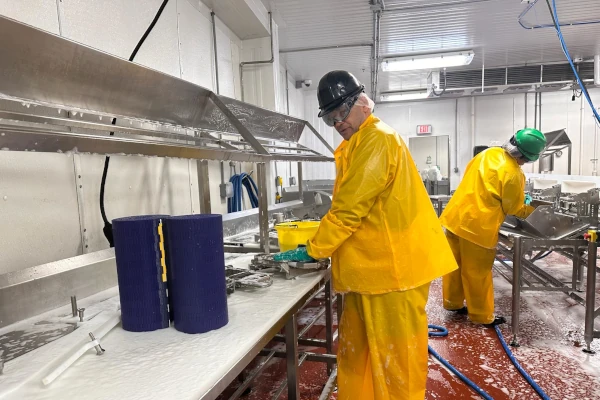
Learn how announced and unannounced audits reveal different aspects of food safety culture, sanitation performance, and operational readiness in food processing facilities.
Leadership as the Teacher: Building a Culture That Learns

Food safety leadership extends far beyond supervision and compliance enforcement. In facilities that consistently maintain audit-ready conditions, leadership plays a far more influential role. Leaders become teachers.
Conveyor Stripping in Food Processing: Why It Matters and Why It’s Not Always Simple
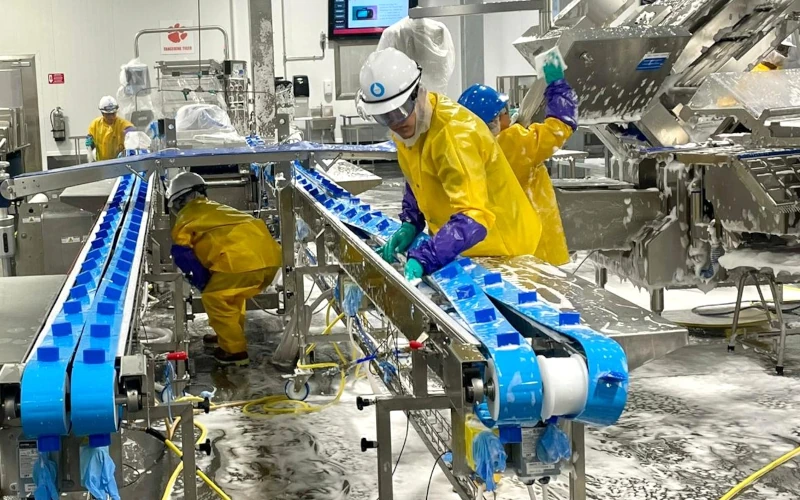
Conveyor systems operate continuously under conditions where protein, fat, moisture, and product residue accumulate rapidly. Much of this contamination settles into areas that routine sanitation cannot easily access.
From clean to confident: How to foster an audit-ready-everyday culture
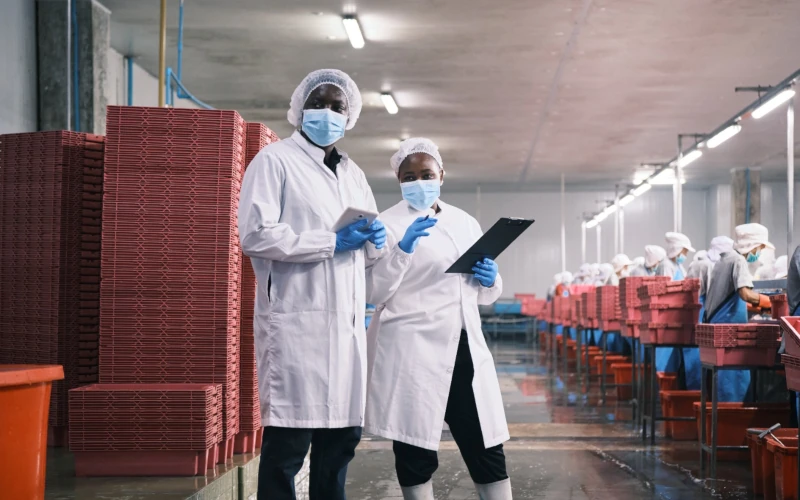
Food safety is not achieved in the days leading up to an audit. It is built every day through disciplined execution, consistent behaviors, and a culture that treats sanitation as a core operational function rather than a last-minute requirement.
Intrinsic infusion: Empowering people who care about clean
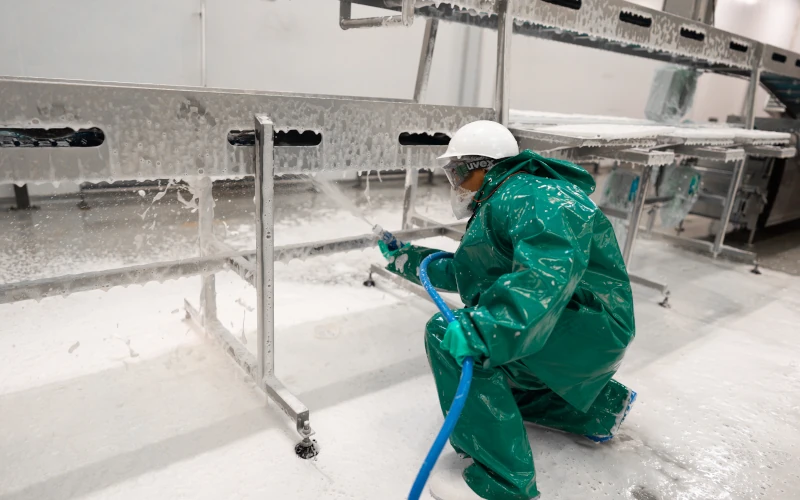
A truly audit-ready-everyday culture does not begin with checklists, scorecards, or corrective action logs. It begins with people. The individuals responsible for cleaning, sanitising, inspecting, and verifying are the ones who ultimately protect the food supply.
Internal audits: The backbone of continuous improvement

Internal audits are often misunderstood. In many facilities, they are treated as inspections or administrative exercises. In high-performing sanitation environments, they serve a far more critical role.
Food safety compliance strategies: How to overcome regulatory challenges and safeguard your business
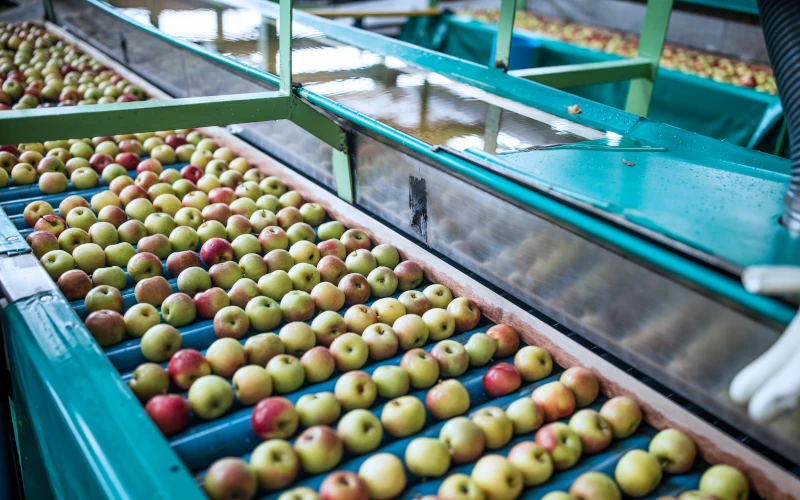
Food processing facilities operate within one of the most highly regulated environments in the United States. Food safety compliance strategies are not simply administrative requirements.
How weather conditions impact food safety and sanitation in food processing facilities
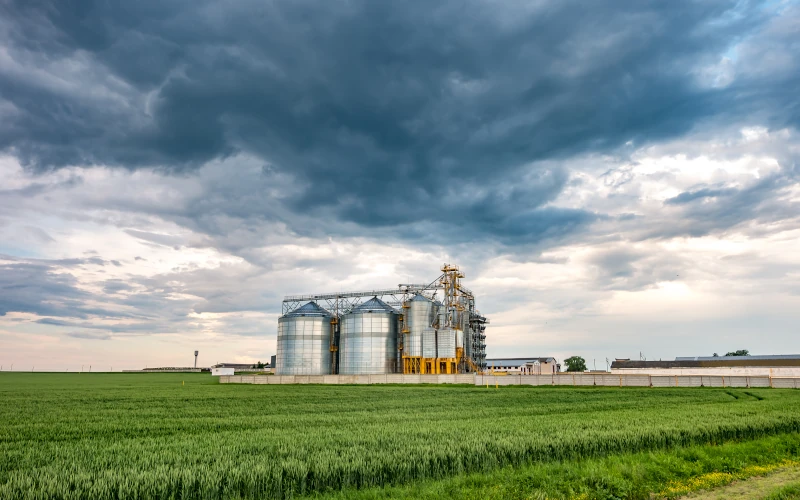
Weather conditions play a direct role in food safety risk across processing environments. Temperature fluctuations, humidity levels, and seasonal changes influence how contaminants develop, spread, and persist within a facility.
Why food safety matters in food processing facilities
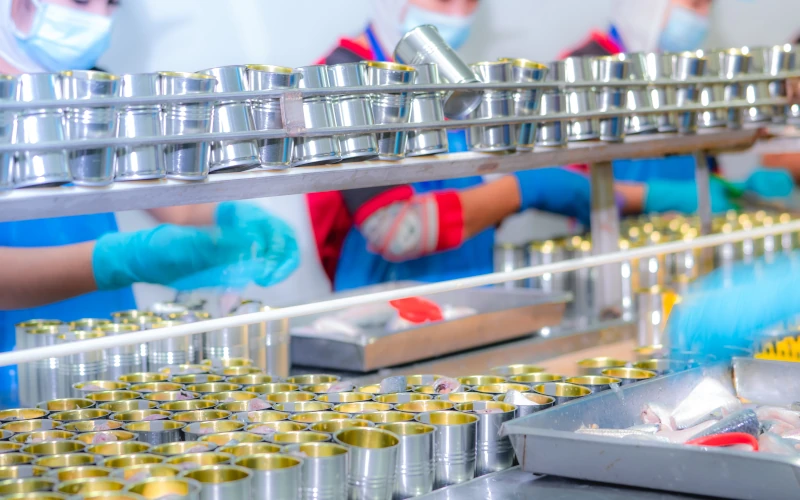
The food industry has evolved significantly over the past decade. Advances in production, distribution, and processing have increased efficiency and accessibility, but they have also introduced new layers of risk.
The benefits of our open plant cleaning system
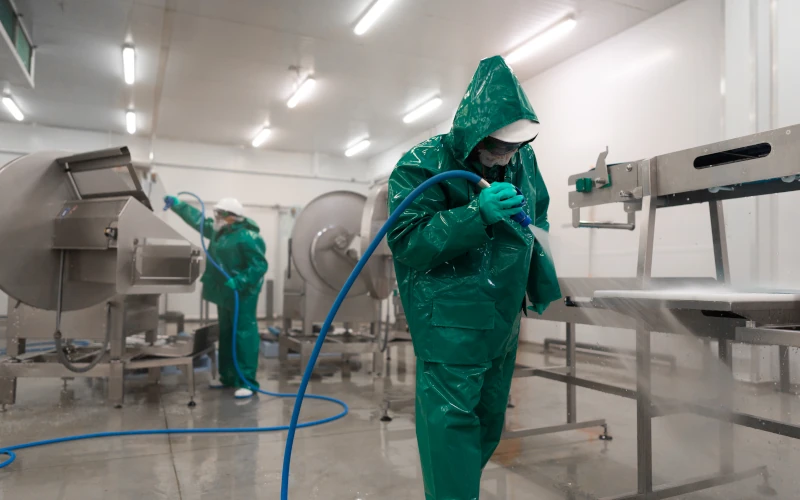
Traditional cleaning systems often rely heavily on manual labor, inconsistent pressure control, and inefficient water usage, which can lead to variability in results and increased operational costs.