
Environmental Monitoring Beyond ATP Testing
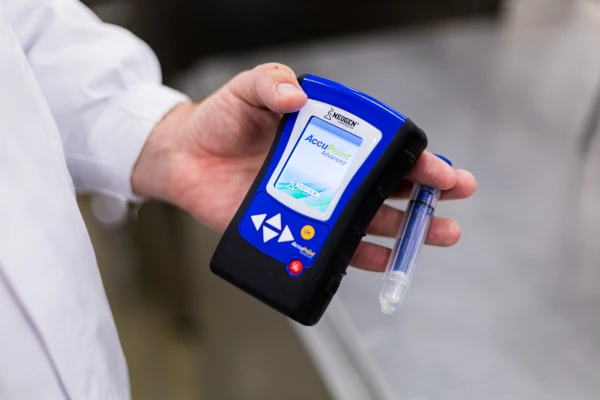
Environmental monitoring in food processing requires more than ATP testing and layered sanitation verification strengthens audit readiness.
Why Hygienic Control in Food Processing Requires More Than Visible Cleanliness
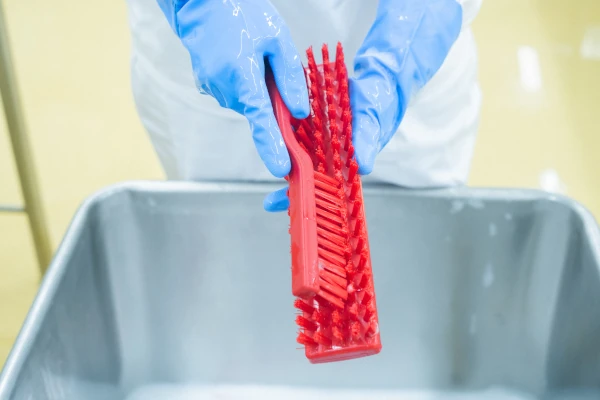
Effective hygienic control depends on sanitation verification, operational discipline, and contamination prevention systems that consistently reduce food safety risk.
Moisture Management in Food Processing: One of the Most Overlooked Food Safety Risks
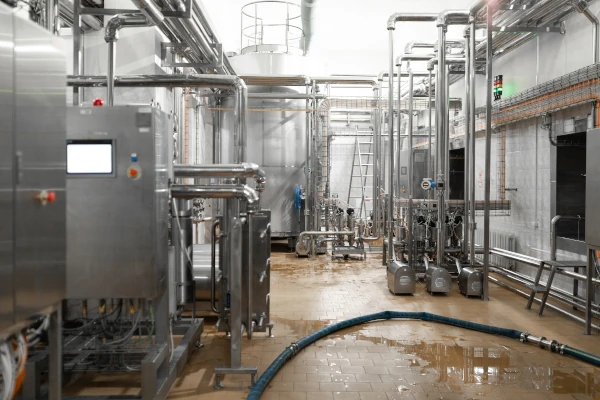
Moisture management in food processing is essential because water can create conditions that support microbial growth, environmental contamination, and recurring sanitation challenges.
Building Sanitation Programs That Withstand Labor Challenges
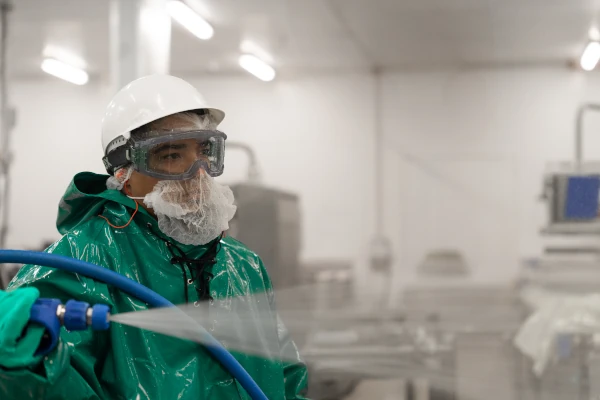
Sanitation labor challenges can directly affect food safety performance, audit readiness, and operational continuity in food processing facilities. Staffing shortages, employee turnover, and inconsistent training make it increasingly difficult to deliver sanitation consistently across every shift.
Hygienic Zoning in Food Processing: Controlling Risk Before Cross-Contamination Happens
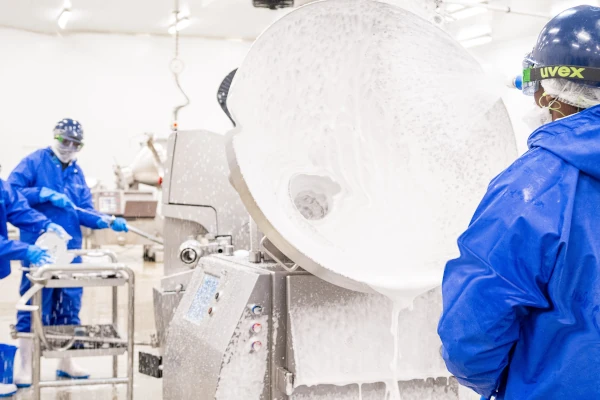
Hygienic zoning in food processing helps facilities control how people, equipment, materials, waste, and product move through the production environment.
Corrective Actions That Actually Prevent Recurring Findings
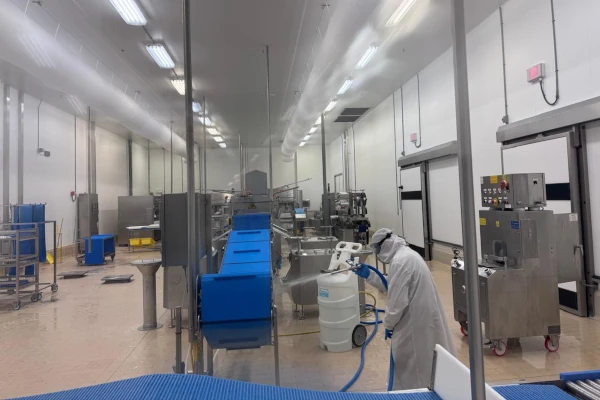
Corrective actions in food safety are structured processes that identify the root cause of a sanitation or food safety issue, implement measures to prevent it from recurring, and verify that those measures are effective.
The Sanitation Audit Playbook: Building Standardized Templates, Tools, and Forms
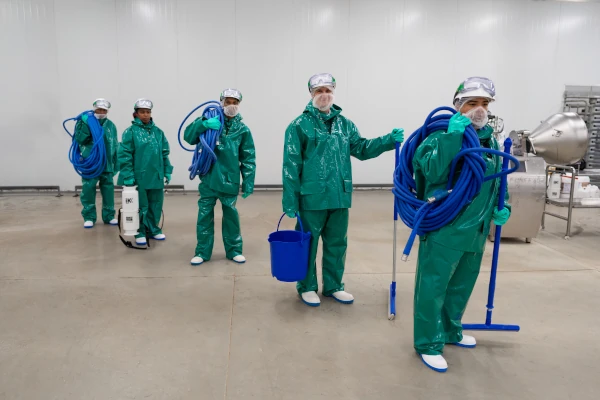
Successful sanitation programs depend on repeatable processes, consistent behaviors, and clearly defined expectations. Audits should be no different.
Turning Findings Into Food Safety Wins

Learn how food processing facilities can use audit findings to strengthen sanitation programs, improve food safety culture, and drive continuous improvement.
Announced vs. Unannounced Audits: Two Lenses, One Culture
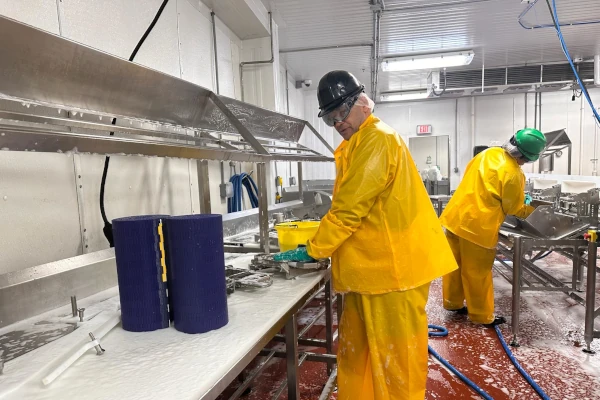
Learn how announced and unannounced audits reveal different aspects of food safety culture, sanitation performance, and operational readiness in food processing facilities.
Leadership as the Teacher: Building a Culture That Learns

Food safety leadership extends far beyond supervision and compliance enforcement. In facilities that consistently maintain audit-ready conditions, leadership plays a far more influential role. Leaders become teachers.